Discover Aromatic Plants: Beyond Herbs for Crosswords
Are you a crossword enthusiast often stumped by the clue "Aromatic Plant"? Or perhaps you're simply fascinated by the fragrant world of botany? You've come to the right place! While the immediate answer that springs to mind might be "HERB," the world of aromatic plants is vast and wonderfully diverse, offering a rich tapestry of scents, flavors, and uses far beyond the kitchen. From tiny leaves to towering trees, these botanical wonders have captured human attention for millennia, not just for their delightful fragrances but also for their culinary, medicinal, and even spiritual properties.
For crossword solvers, tackling an Aromatic Plant Crossword Clue can be a delightful challenge. The solutions range from common kitchen staples to more exotic names, testing your general knowledge and botanical vocabulary. In this comprehensive guide, we'll delve into what makes a plant aromatic, explore a broad spectrum of common and less common crossword answers, and offer practical tips to help you conquer this clue with confidence.
What Makes a Plant Aromatic? Unveiling Their Fragrant Secrets
At the heart of every aromatic plant lies its unique blend of volatile organic compounds, commonly known as essential oils. These complex chemical compounds are produced and stored in various parts of the plant – leaves, flowers, bark, roots, seeds, or even fruits – and are responsible for the plant's distinctive scent and flavor. From a botanical perspective, these essential oils serve multiple purposes for the plant itself:
- Attracting Pollinators: Sweet, floral scents lure bees, butterflies, and other insects crucial for reproduction.
- Deterring Pests: Many strong aromas act as natural insecticides or repellents against herbivores.
- Protection: Some oils have antimicrobial or antifungal properties, protecting the plant from disease.
- Communication: Plants can use aromatic compounds to communicate with each other or with soil microbes.
For humans, these essential oils are highly valued. We extract them for perfumes, use the plants directly for seasoning food, brew them into medicinal teas, or diffuse their essences for aromatherapy. Understanding this underlying chemistry helps to appreciate the sheer diversity of "aromatic plants" encountered in crosswords and in daily life.
Beyond the Obvious: Popular Aromatic Plant Crossword Clues and Their Answers
When faced with the "Aromatic Plant" clue, your brain likely jumps to the most common answers first. And for good reason! According to various crossword databases, a few solutions frequently appear due to their ubiquity and specific letter counts. The most common solutions often include HERB (4 letters), ANISE (5 letters), and FENNEL (6 letters). Anise, in particular, often boasts a high match rate for a 5-letter solution, making it a prime candidate. But the list goes much deeper, encompassing a fascinating array of botanical wonders.
To help you navigate these fragrant clues, let's break down some popular top Aromatic Plant Crossword Answers by their letter count:
Short and Sweet: 3-5 Letter Solutions
These compact answers are often tricky because every letter counts, but they are also frequently occurring.
- RUE (3 letters): A strongly scented herb, historically used in traditional medicine and associated with sorrow. Its bitter taste makes it less common in modern cooking.
- HERB (4 letters): The quintessential answer. A broad category, but a valid and very common solution.
- MINT (4 letters): Instantly recognizable for its refreshing aroma, widely used in beverages, desserts, and savory dishes.
- DILL (4 letters): Feathery leaves with a distinctive, slightly tangy aroma, popular in Scandinavian and Eastern European cuisine.
- SAGE (4 letters): Earthy and slightly peppery, sage is a favorite in poultry dishes and Mediterranean cooking.
- CHIA (4 letters): While known more for its seeds, the plant itself has a mild, somewhat grassy aroma.
- NARD (4 letters): Also known as spikenard, this is an ancient aromatic plant, primarily used for its fragrant root in perfumes and traditional medicine.
- ANISE (5 letters): Famous for its licorice-like flavor, anise is used in pastries, liqueurs, and some savory dishes. A very strong contender for a 5-letter clue.
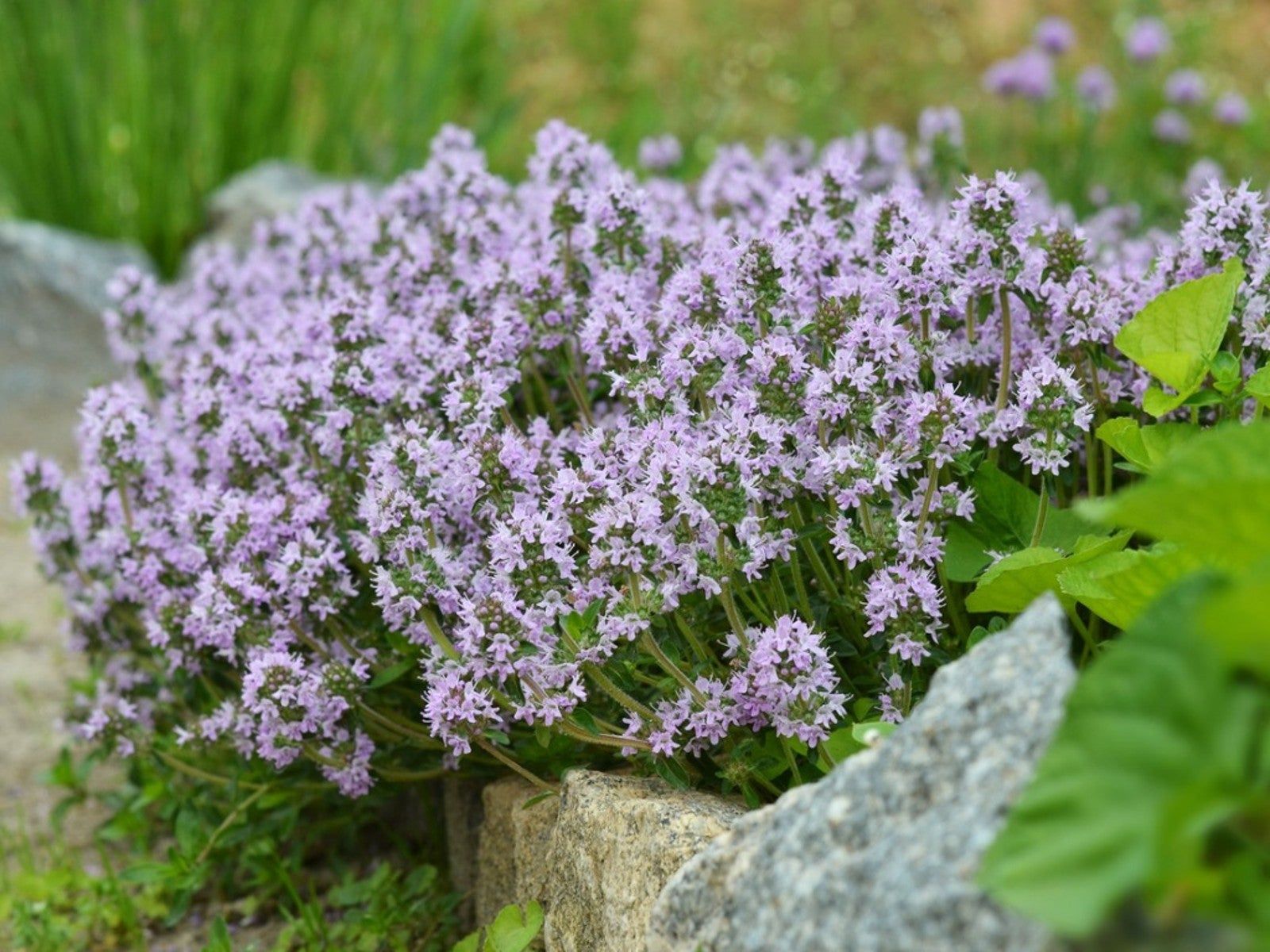
- THYME (5 letters): A versatile herb with a subtle, earthy, and slightly floral aroma, essential in many cuisines.
- TANSY (5 letters): A somewhat bitter, camphor-scented plant, historically used for medicinal purposes and as an insect repellent.
- BASIL (5 letters): The sweet, peppery, and often slightly spicy aroma of basil is synonymous with Italian cuisine.
- CUMIN (5 letters): Known for its warm, earthy, and slightly pungent aroma, crucial in Indian, Middle Eastern, and Mexican cooking.
Mid-Length Marvels: 6-8 Letter Solutions
These offer a bit more room for unique letter combinations, but still require specific knowledge.
- FENNEL (6 letters): With a distinct licorice aroma similar to anise, both the bulb and fronds are highly aromatic and used in salads, roasts, and teas.
- LOVAGE (6 letters): Resembles celery in flavor but with a stronger, more intense aroma, often used in soups and stews.
- MYRTLE (6 letters): A beautiful evergreen shrub with fragrant leaves and flowers, used in cooking and perfumery.
- BALSAM (6 letters): Refers to various aromatic resins or trees that produce them, like balsam fir.
- HYSSOP (6 letters): A mint-family herb with a strong, slightly bitter minty aroma, used medicinally and in liqueurs.
- DITTANY (7 letters): A pungent, aromatic herb, especially well-known in Crete for its medicinal properties.
- CARAWAY (7 letters): Its distinct, slightly sweet and peppery aroma defines many rye breads and European dishes.
- ORIGANO (7 letters): A variant spelling of oregano, a classic Mediterranean herb with a robust, earthy, and slightly bitter aroma.
- GINSENG (7 letters): While primarily valued for its root, the plant itself has a subtle, earthy fragrance and is renowned for its adaptogenic properties.
- ANGELICA (8 letters): A tall, stately plant with a unique, slightly musky, and sweet aroma, used in confectionery, liqueurs, and herbal medicine.
- CAMOMILE (8 letters): A popular herb known for its calming properties and gentle, apple-like aroma, often enjoyed as a tea.
- CINNAMON (8 letters): The aromatic bark of a tree, instantly recognizable for its warm, sweet, and spicy scent, a staple in baking and savory dishes worldwide.
- LAVENDER (8 letters): Beloved for its distinctive floral and slightly woody aroma, used in aromatherapy, perfumes, and even culinary applications.
- BERGAMOT (8 letters): A citrus fruit whose peel yields a fragrant essential oil, iconic in Earl Grey tea and perfumes.
- MARJORAM (8 letters): A sweeter, milder cousin to oregano, with a delicate, floral, and slightly woody aroma, used in Mediterranean cooking.
- TARRAGON (8 letters): An herb with a unique, slightly sweet, and peppery anise-like flavor, essential in French cuisine.
The Longer Riddles: 9-10 Letter Solutions
These longer answers often point to more specific or less common aromatics, but they can be a dead giveaway if you know them.
- CHAMOMILE (9 letters): Another spelling of camomile, emphasizing its specific aroma and calming uses.
- SPEARMINT (9 letters): A milder, sweeter cousin to peppermint, widely used in teas, chewing gum, and various culinary applications.
- FENUGREEK (9 letters): Its seeds and leaves have a strong, slightly bitter, and sweet aroma, fundamental in Indian and Middle Eastern cooking.
- SASSAFRAS (9 letters): A tree known for its distinctively aromatic leaves and root bark, used in root beer and traditional medicine.
- EUCALYPTUS (10 letters): A tree renowned for its strong, fresh, and camphoraceous aroma, widely used in decongestants, essential oils, and aromatherapy.
More Than Just Crossword Fodder: The Diverse Uses of Aromatic Plants
The allure of aromatic plants extends far beyond just filling in crossword grids. Their essential oils and unique compounds bestow them with incredible versatility, impacting our lives in numerous ways:
- Culinary Delights: Aromatic plants are the backbone of global cuisine. Think of the basil in your pesto, the thyme in your roast chicken, the cinnamon in your apple pie, or the dill in your salmon. They transform simple ingredients into gourmet experiences.
- Medicinal Miracles: For centuries, cultures worldwide have relied on aromatic plants for healing. Chamomile soothes nerves, peppermint aids digestion, eucalyptus clears congestion, and ginger combats nausea. Many modern pharmaceuticals even derive their active compounds from these botanical sources.
- Aromatherapy and Wellness: The power of scent to influence mood and well-being is undeniable. Lavender promotes relaxation, citrus oils invigorate, and rosemary enhances focus. Essential oils extracted from aromatic plants are central to aromatherapy practices, offering natural ways to de-stress, uplift, or calm.
- Perfumery and Cosmetics: The complex and captivating fragrances of roses, jasmine, sandalwood, and patchouli form the heart of countless perfumes, colognes, and beauty products. These plants provide the notes that create signature scents.
- Pest Control and Cleaning: Many aromatic plants, like citronella, mint, and cedar, naturally repel insects, offering eco-friendly alternatives to chemical pesticides. Their antimicrobial properties also make them valuable in natural cleaning solutions.
Cracking the "Aromatic Plant" Crossword Clue: Expert Tips
Ready to tackle your next "Aromatic Plant" crossword clue with confidence? Here are some expert tips to help you:
- Start with Letter Count: This is always your first filter. If the clue asks for 4 letters, you're immediately thinking HERB, MINT, DILL, SAGE, or CHIA. If it's 5, then ANISE, THYME, CUMIN, BASIL, or TANSY become strong contenders.
- Think Common Culinary Herbs First: These are the most frequently used and therefore most likely to appear. Basil, Mint, Sage, Thyme, Rosemary (though not listed as a common crossword answer, it's a good mental association), Dill, Parsley (less aromatic as a primary clue, but related).
- Consider Distinctive Scents/Flavors: If you know the plant by its unique profile, that can be a clue. "Licorice-like aromatic plant" often points to ANISE or FENNEL. "Calming aromatic plant" suggests CAMOMILE/CHAMOMILE.
- Expand Your Botanical Vocabulary: Beyond kitchen herbs, think about plants used in teas (LAVENDER), spices (CINNAMON, CUMIN), or traditional medicine (RUE, NARD, DITTANY). The more diverse your knowledge, the better.
- Don't Forget About Trees and Roots: Not all aromatic plants are leafy herbs. EUCALYPTUS (a tree), CINNAMON (bark), and GINSENG (root) are all valid answers.
- Check for Alternative Spellings: CHAMOMILE (9 letters) and CAMOMILE (8 letters) are common variants. ORIGANO (7 letters) for oregano.
- Use Cross-References: If you have other letters filled in from intersecting words, use them to narrow down the possibilities.
- Consult Resources (Like This Article!): If you're truly stuck, a quick search for "Aromatic Plant Crossword Clue" will bring up resources like ours to jog your memory.
Conclusion
The world of aromatic plants is a vibrant, fragrant realm, rich with history, utility, and endless fascination. For crossword enthusiasts, the "Aromatic Plant" clue is more than just a placeholder; it's an invitation to explore this diverse botanical landscape. From the familiar HERB and MINT to the exotic ANGELICA and SASSAFRAS, each plant carries its own story and distinctive essence. By understanding what makes them aromatic, familiarizing yourself with common solutions, and employing smart crossword-solving strategies, you'll not only fill in those challenging squares but also deepen your appreciation for the aromatic wonders that enrich our lives every day.